
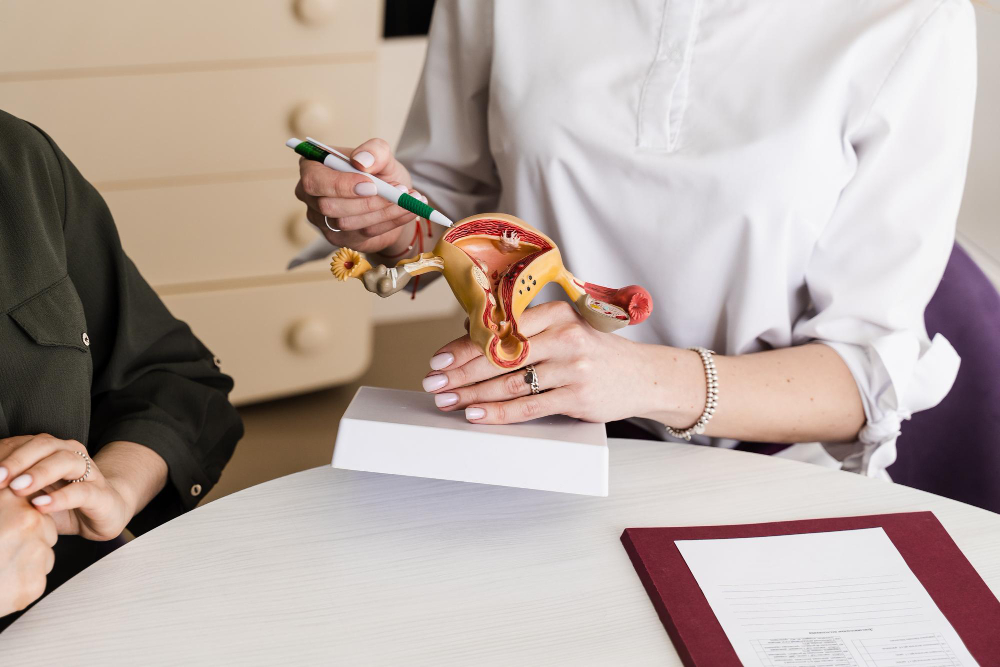
What is Endometriosis?
Endometriosis is a health condition where tissue similar to the lining inside the uterus grows outside it. This tissue can cause pain, heavy periods, and sometimes trouble getting pregnant. Many people ask, “Why does endometriosis occur?” Understanding the leading causes of endometriosis can help you know your risks and seek help early.
Why Understanding the Causes Matters
Knowing the causes of endometriosis is important for several reasons. First, it helps you spot risk factors for endometriosis. Also, it can guide you in making healthy choices. If you know what may lead to endometriosis, you can talk to your doctor about ways to lower your risk. Early action may help prevent severe symptoms.
Leading Causes of Endometriosis
Doctors and researchers are still learning about endometriosis. However, several main causes and risk factors have been found. Let’s look at each one.
Genetic Factors
Some people are more likely to get endometriosis because of their genes. If your mother, sister, or close relative has endometriosis, your risk is higher. Studies show that endometriosis can run in families. This means your DNA may play a role in why endometriosis occurs. (Source: CDC)
Hormonal Imbalances
Hormones control many body functions, including the menstrual cycle. Estrogen, a key hormone, can make endometriosis worse. If your body makes too much estrogen, it may raise your risk. Hormonal imbalances are a leading cause of endometriosis. (Source: WHO)
Immune System Disorders
Your immune system helps fight off sickness. But sometimes, it does not work as it should. If your immune system cannot clear away tissue growing outside the uterus, endometriosis may develop. This is why immune system problems are seen as a risk factor for endometriosis. (Source: CDC)
Retrograde Menstruation
Retrograde menstruation happens when menstrual blood flows backward into the pelvis instead of leaving the body. This blood can carry tissue from the uterus lining. As a result, the tissue may stick to other organs and grow. Many experts believe this is a common cause of endometriosis. (Source: WHO)
Environmental Influences
Some chemicals in the environment may affect your risk. For example, exposure to certain toxins or pollutants can change how your body handles hormones. This may increase your chance of getting endometriosis. While more research is needed, it is wise to avoid harmful chemicals when possible. (Source: PubMed)
Other Potential Risk Factors
Besides the main causes, other things may raise your risk. These include:
Each of these factors can make endometriosis more likely. However, having one or more does not mean you will get the condition.
How to Reduce Your Risk
While you cannot change your genes, you can take steps to lower your risk. For instance, you can:
Although these steps may not prevent endometriosis completely, they can help you stay healthy. Early action is key for endometriosis prevention.
When to See a Doctor
If you have heavy periods, severe pain, or trouble getting pregnant, see a doctor. Early diagnosis can help you manage symptoms and improve your quality of life. Remember, only a healthcare provider can give you the right advice for your situation.
For personalized guidance about endometriosis, consult a specialist at Srijan Eye & Mother Care today.