What is Myopia?
Myopia, also called nearsightedness, is a common eye problem. People with myopia can see close objects clearly, but things far away look blurry. This happens because light focuses in front of the retina, not on it. Myopia affects both children and adults. In fact, the World Health Organization (WHO) says myopia rates are rising worldwide. Early detection is important, as untreated myopia can affect daily life and learning.
Common Symptoms of Myopia
Myopia can show up in many ways. However, not everyone has the same symptoms. If you notice these signs, you may have myopia:
Sometimes, children may not complain. Instead, they might struggle in school or avoid activities that need clear distance vision.
Causes and Risk Factors
Several things can cause myopia. Most often, it happens when the eyeball is too long or the cornea is too curved. Because of this, light does not focus correctly. Genetics play a big role. If your parents have myopia, you are more likely to get it too. But lifestyle matters as well. Spending lots of time on close-up tasks, like reading or using screens, can increase risk. Also, not spending enough time outdoors may raise the chance of developing myopia, especially in children.
How Myopia is Diagnosed
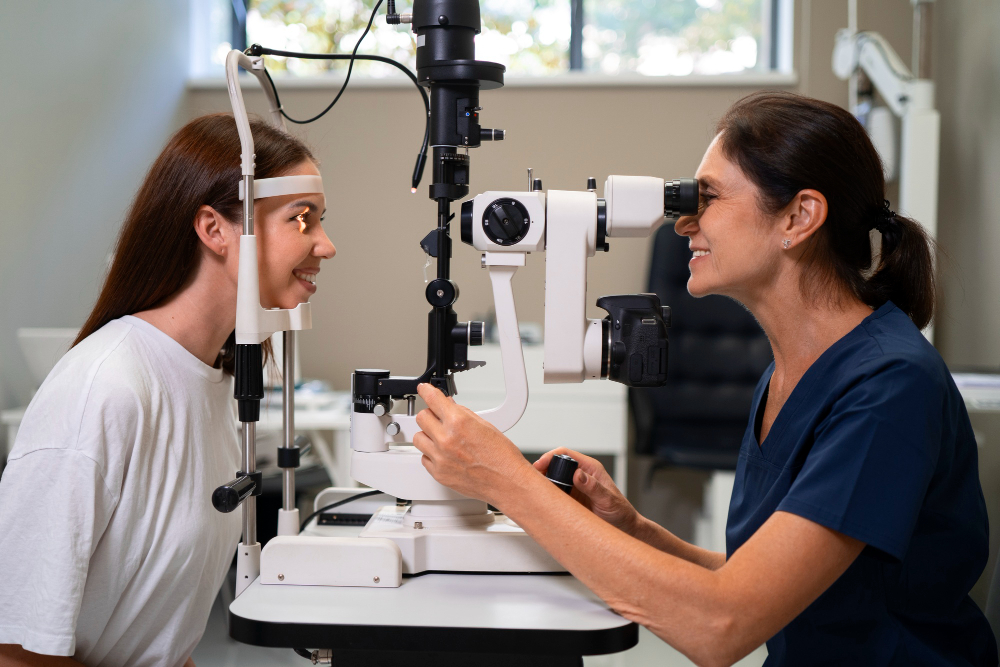
Eye doctors use simple tests to check for myopia. First, they ask about your vision and any symptoms. Next, they use a chart to test how well you see at different distances. Sometimes, they use special tools to look at your eyes. For children, doctors may use eye drops to help get an accurate reading. Regular eye exams are important, even if you do not notice problems. Early diagnosis helps prevent complications.
Treatment Options for Myopia
There are several ways to treat myopia. Your doctor will suggest the best option for you. Common treatments include:
Each treatment has pros and cons. Therefore, it is important to talk with your eye doctor about what works best for you.
Tips for Living with Myopia
Living with myopia can be easy with a few simple steps. For example, you can:
With these habits, you can protect your eyes and enjoy clear vision.
Prevention and Eye Health Guidance
While you cannot always prevent myopia, you can lower your risk. For instance, children should spend more time outdoors. Studies show that natural light helps slow myopia. Also, limit screen time and take regular breaks. Eat a balanced diet rich in fruits and vegetables. Do not ignore vision changes. If you notice blurry vision or eye strain, see an eye specialist soon. Early care can prevent problems from getting worse.
In summary, myopia is common but manageable. With the right care, you can keep your eyes healthy.
Consult an eye specialist at Srijan Eye & Mother Care for personalized advice on myopia.