
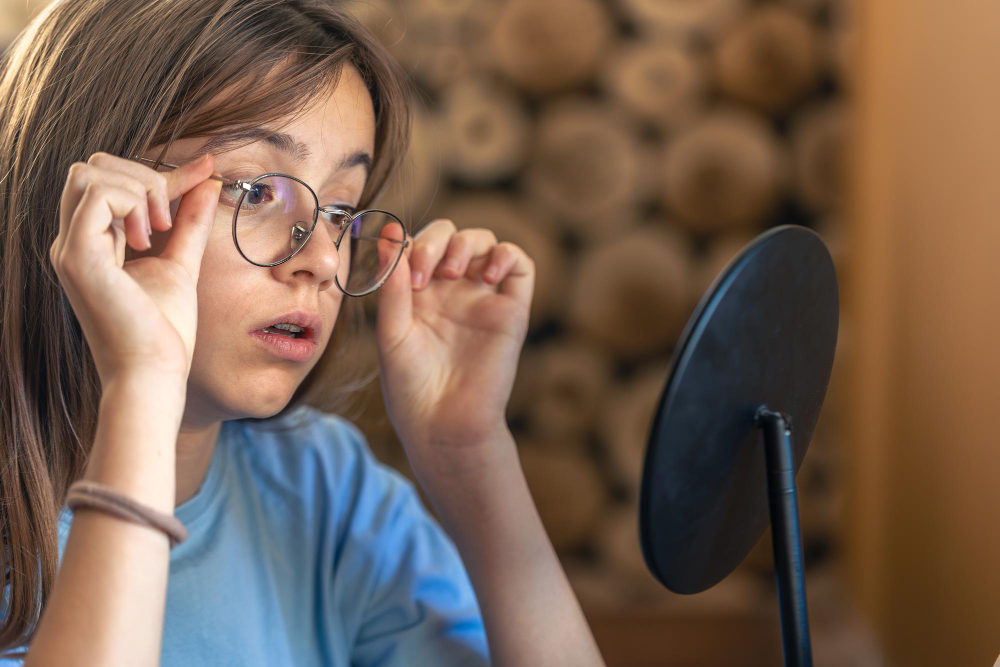
Introduction: Why Winter Increases Eye Problems in Children
Winter brings cold air, dry winds, and more time spent indoors. Because of these changes, children are more likely to face winter eye problems. The cold weather and indoor heating can dry out the eyes. Also, germs spread easily in closed spaces. As a result, parents should pay extra attention to child eye care in winter.
Common Eye Problems in Children During Winter
Many children experience eye issues during the colder months. Below are the most frequent winter eye problems in children:
Symptoms: What Parents Should Watch For
It is important to spot eye problems early. Look for these signs in your child:
If you notice these symptoms, act quickly. Early care can prevent problems from getting worse.
Causes: Why Are Eye Problems More Common in Winter?
Several factors make winter tough on children’s eyes. For example, cold air holds less moisture. This leads to dry eyes. Indoor heating also dries the air, making symptoms worse. In addition, children spend more time indoors, where germs and allergens can build up. Because of these reasons, winter eye problems in children are more common.
Diagnosis: How Are Winter Eye Problems Diagnosed?
Doctors use simple steps to diagnose eye issues. First, they ask about symptoms and recent activities. Next, they examine the eyes with a light. Sometimes, they may take a small sample of eye discharge to check for infection. In most cases, a quick visit to a pediatric ophthalmologist is enough for diagnosis. According to the CDC, early diagnosis helps prevent complications.
Treatment: Safe and Effective Options
Treatment depends on the cause. Here are common treatments for winter eye problems in children:
Always follow your doctor’s advice. Do not use over-the-counter drops without checking with a healthcare provider.
Prevention: Tips for Protecting Children’s Eye Health in Winter
Parents can take simple steps to prevent winter eye problems in children. Try these tips:
Lifestyle Guidance: Daily Habits and Home Care
Good habits can keep your child’s eyes healthy all winter. For example, offer plenty of water to keep them hydrated. Also, include foods rich in vitamin A, like carrots and spinach, in their diet. Remind your child to blink often, especially when using screens. In addition, make sure they get enough sleep. Clean hands and faces before bedtime help prevent infections. With these simple steps, you can support child eye care in winter.
Conclusion
Winter eye problems in children are common but can be managed with care. Watch for symptoms, follow prevention tips, and seek treatment early. At Srijan Eye & Mother Care, your child’s eye health is prioritized with expert care and guidance.
For the best advice, consult Srijan Eye & Mother Care for personalised guidance on your child’s eye health.