
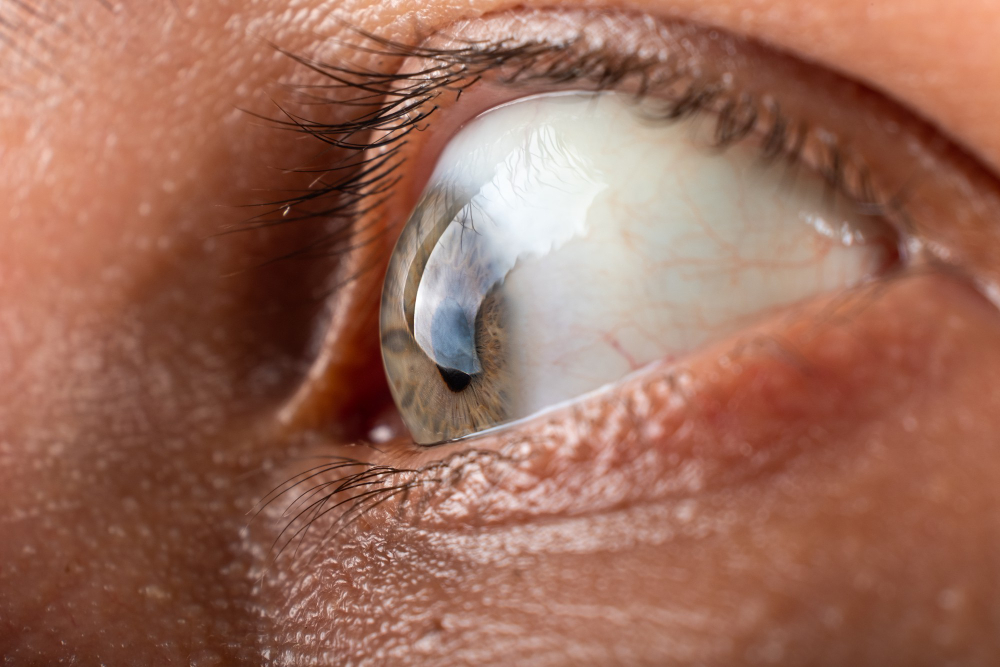
What is Keratoconus?
Keratoconus is an eye condition that affects the cornea, which is the clear front part of your eye. In this condition, the cornea becomes thin and starts to bulge outward into a cone shape. Because of this change, vision can become blurry or distorted. Many people first notice changes in their vision during their teens or early adulthood. However, keratoconus can develop at any age. Early detection is important, as it helps manage symptoms and protect your eyesight.
Symptoms of Keratoconus
Recognizing keratoconus symptoms early can help you seek treatment sooner. Some common signs include:
Sometimes, symptoms may start mild but can get worse over time. If you notice any of these changes, it is important to see an eye doctor.
Causes and Risk Factors
While the exact cause of keratoconus is not fully known, several factors may increase your risk. For example, genetics can play a role, as the condition sometimes runs in families. Other risk factors include:
According to the American Academy of Ophthalmology, both environmental and genetic factors may contribute to the development of keratoconus.
Diagnosis of Keratoconus
Early diagnosis is key to managing keratoconus. Eye doctors use several tests to check for this condition. For instance, they may use a special camera to map the shape of your cornea. This test is called corneal topography. Other tests may include:
If you are wondering how keratoconus is diagnosed, these tests help doctors spot changes in your cornea early. Regular eye exams are important, especially if you have risk factors.
Treatment Options
There are several keratoconus treatment options available. The right choice depends on how severe your condition is. Some common treatments include:
Because each person is different, your eye doctor will help you choose the best treatment for your needs.
Living with Keratoconus
Even though keratoconus can affect your vision, many people manage it well with the right care. For example, regular eye check-ups help track changes and adjust treatments as needed. Wearing sunglasses can protect your eyes from bright light and reduce discomfort. Additionally, avoiding eye rubbing can help prevent further damage. Support groups and online communities can also offer advice and encouragement.
Prevention and Eye Care Tips
While you may not always prevent keratoconus, good eye care can lower your risk. Here are some helpful tips:
In some locations, access to eye care may vary. Therefore, it is important to find a trusted eye specialist near you for regular check-ups and advice.
To sum up, keratoconus can be managed with early diagnosis and the right treatment. Consult an eye specialist at Srijan Eye & Mother Care for personalized advice on keratoconus.