
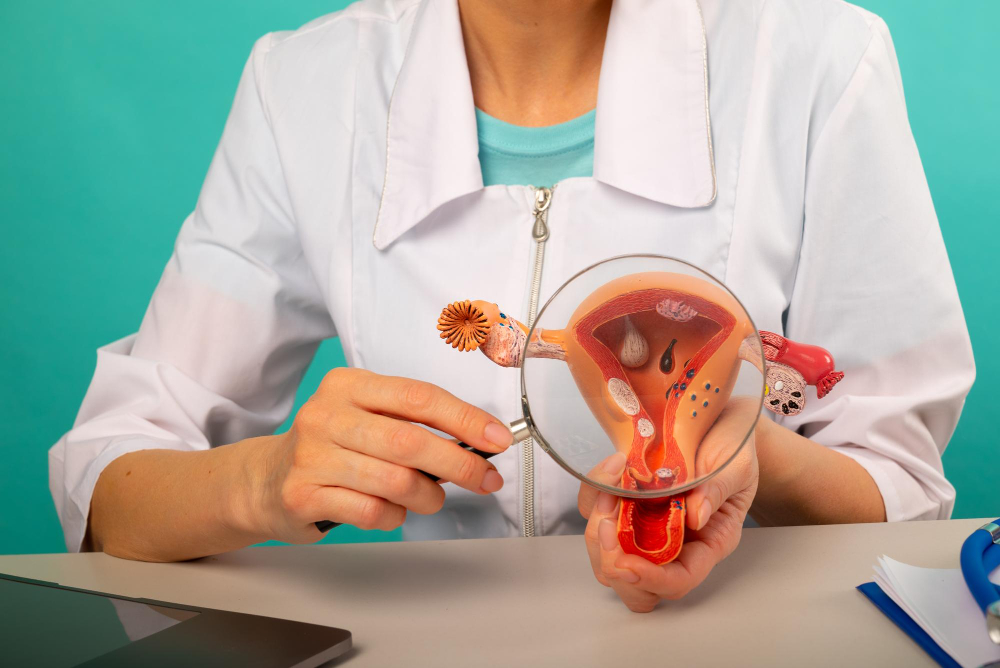
What is Uterine Prolapse?
Uterine prolapse happens when the uterus drops down into the vagina. This occurs because the muscles and tissues that hold the uterus in place become weak. As a result, the uterus may slip lower than normal. Uterine prolapse is more common in women after childbirth or menopause. However, it can affect women of any age. Knowing about uterine prolapse helps you spot early signs and seek help quickly.
Symptoms of Uterine Prolapse
Many women notice mild symptoms at first. Over time, these signs of uterine prolapse can become more obvious. For example, you might feel a heavy or pulling sensation in your pelvis. Sometimes, you may see or feel tissue coming out of your vagina. Other symptoms include:
But not everyone has all these symptoms. If you notice any changes, it is important to talk to your doctor.
Causes and Risk Factors
Several things can cause uterine prolapse. Most often, it happens when the pelvic muscles become weak. This can occur due to:
Additionally, some women are born with weaker tissues. This makes them more likely to develop uterine prolapse.
How Uterine Prolapse is Diagnosed
Doctors can often diagnose uterine prolapse during a pelvic exam. During the exam, your doctor will check for any bulging or dropping of the uterus. Sometimes, you may be asked to cough or bear down. This helps the doctor see how much the uterus moves. In some cases, your doctor may suggest more tests. For example, imaging tests like ultrasound can help rule out other problems. Early diagnosis is important, so do not delay seeking help if you notice symptoms.
Treatment Options for Uterine Prolapse
Treatment depends on how severe the prolapse is and your overall health. There are several treatment options for uterine prolapse, including:
Your doctor will help you choose the best treatment based on your needs. For many women, simple changes and exercises can make a big difference.
Lifestyle Tips and Prevention
Although not all cases can be prevented, you can lower your risk. Here are some tips for preventing uterine prolapse:
Furthermore, regular check-ups can help catch problems early. Taking care of your pelvic health is important at every age.
When to See a Doctor
If you notice any signs of uterine prolapse, do not wait. For example, if you feel pressure or see tissue at the vaginal opening, seek medical advice. Early treatment can prevent the problem from getting worse. Even if your symptoms are mild, a doctor can help you find the right care. Remember, you are not alone, and help is available.
For personalized advice on uterine prolapse, consult a gynecologist at Srijan Eye & Mother Care. Early care can improve your comfort and quality of life.