
What is Astigmatism?
Many people struggle with clear vision. Astigmatism is a common eye condition that can cause blurry or distorted sight. In simple terms, astigmatism happens when the front surface of the eye, called the cornea, is not perfectly round. Instead, it has an uneven shape. Because of this, light does not focus evenly on the retina. As a result, you may notice trouble seeing clearly at any distance. According to the American Academy of Ophthalmology, astigmatism affects millions of people worldwide. If you have trouble with clear vision, astigmatism could be the reason.
Common Symptoms of Astigmatism
Astigmatism symptoms can vary from person to person. However, some signs are more common. For example, you might notice:
Sometimes, these symptoms can be mild. But over time, they may get worse. If you notice any of these signs, it is important to get your eyes checked.
Causes and Risk Factors
Astigmatism often develops naturally. Most people are born with it. However, it can also appear after an eye injury or surgery. In rare cases, certain eye diseases can cause astigmatism. Some risk factors include:
While anyone can have astigmatism, it is more common in children and adults with a family history of the condition. Knowing your risk can help you seek early care.
How Astigmatism is Diagnosed
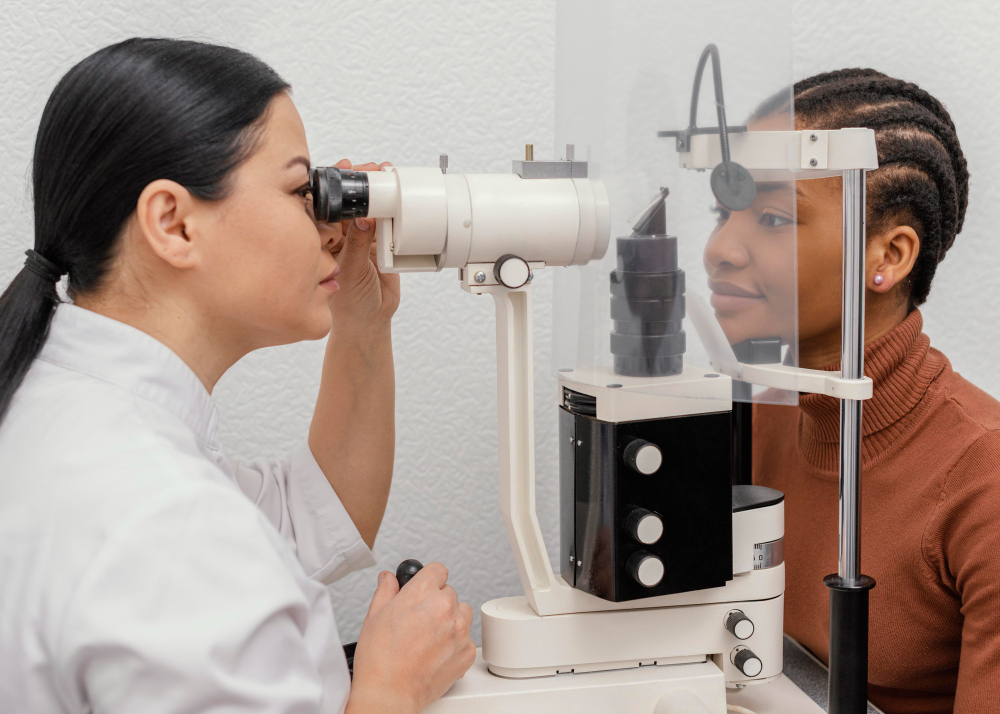
Eye doctors use several tests to check for astigmatism. Usually, a routine eye exam is enough. During the exam, your doctor may:
Sometimes, doctors use a device called a keratometer. This tool measures the curve of your cornea. Early diagnosis is key. If you live in a city with good eye care, like New York or Los Angeles, you can find many clinics that offer these tests. If you wonder, “How is astigmatism diagnosed?”—these are the main steps.
Treatment Options for Astigmatism
There are several astigmatism treatment options. Your doctor will suggest the best one for you. Common treatments include:
For most people, glasses or contacts work well. However, some may choose surgery for a long-term solution. Always talk to your eye doctor before deciding.
Lifestyle Tips and Vision Care
Even with astigmatism, you can protect your eyes and improve comfort. Here are some helpful tips:
Additionally, following these steps can help you maintain clear vision and reduce eyestrain.
Prevention and When to See an Eye Specialist
While you cannot always prevent astigmatism, early detection makes a big difference. For example, children should have regular eye checks as they grow. Adults should also see an eye specialist every one to two years. If you notice sudden changes in your vision, do not wait. Seek help right away. Early treatment can prevent further problems and help you find the best clear vision solutions.
If you have questions about astigmatism or need advice, consult an eye specialist at Srijan Eye & Mother Care for personalized care and support.