What Is Allergic Conjunctivitis?
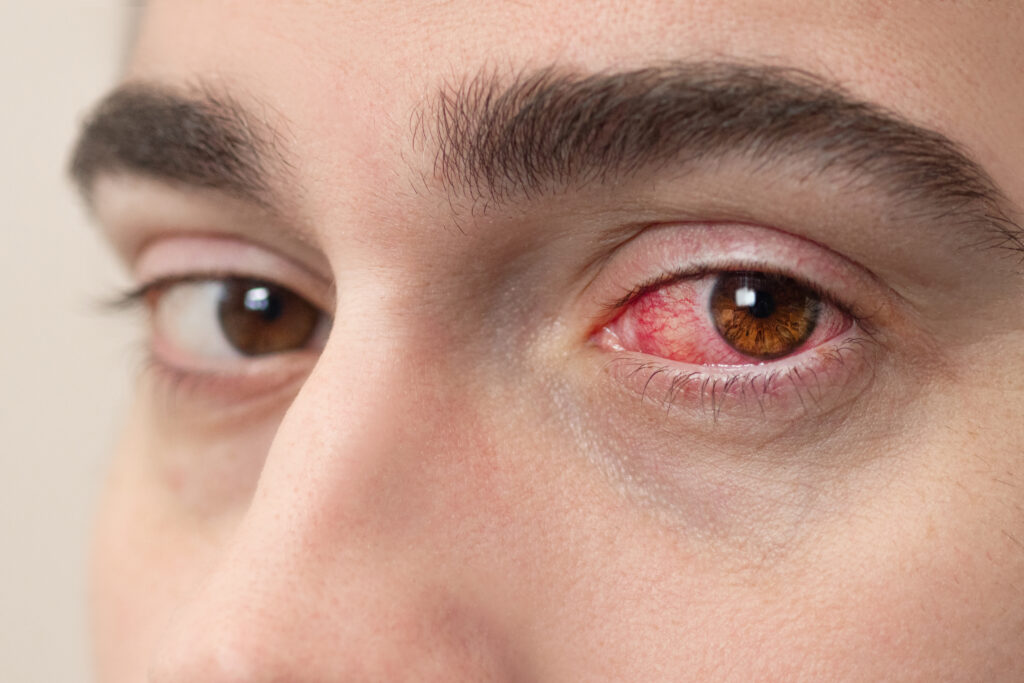
Allergic conjunctivitis is a common eye condition. It happens when your eyes react to allergens, like pollen or dust. As a result, the thin layer covering the white part of your eye, called the conjunctiva, becomes inflamed. Because of this, you may notice red eyes, itching, and irritation. Many people call this problem “eye allergies.” Although it can affect anyone, it is especially common in children and young adults. According to the World Health Organization, allergic conjunctivitis is not contagious. However, it can be uncomfortable and affect daily life.
Common Symptoms
Usually, symptoms appear quickly after you come into contact with an allergen. For example, you may notice:
Sometimes, both eyes are affected at the same time. However, symptoms can be mild or severe. If you also have a runny nose or sneezing, it may be due to allergies.
Main Causes and Risk Factors
Allergic conjunctivitis happens when your immune system overreacts to harmless things. These triggers are called allergens. Common causes include:
Some people are more likely to get eye allergies. For instance, if you have other allergies, like hay fever or asthma, your risk is higher. Living in areas with high pollen counts can also increase your chances. In addition, family history plays a role.
How Allergic Conjunctivitis Is Diagnosed
Doctors usually diagnose allergic conjunctivitis by asking about your symptoms and examining your eyes. Often, they will ask if you have allergies or if your symptoms happen at certain times of the year. Sometimes, they may use a special light to look at your eyes more closely. Rarely, allergy testing or a sample of your eye discharge may be needed. However, most cases are clear from your history and symptoms. According to the American Academy of Ophthalmology, lab tests are not usually required.
Effective Treatment Options
There are many ways to treat allergic conjunctivitis. The main goal is to relieve symptoms and prevent future flare-ups. Common treatments include:
For severe cases, your doctor may suggest short-term steroid eye drops. However, these are only used under close supervision. Most people feel better with simple treatments. But, you should never use someone else’s eye drops.
Prevention Tips and Lifestyle Guidance
Although you cannot always avoid eye allergies, you can lower your risk. Try these tips:
Because prevention is key, these steps can help reduce eye irritation and discomfort.
When to See an Eye Specialist
Most cases of allergic conjunctivitis are mild. However, you should see an eye specialist if:
Sometimes, eye allergies can look like other eye problems. Therefore, it is important to get the right diagnosis. Early treatment can prevent complications and protect your vision.
Conclusion
In summary, allergic conjunctivitis is a common cause of red, itchy, and watery eyes. It is triggered by allergens like pollen, dust, or pet dander. Although it can be uncomfortable, most cases are mild and respond well to simple treatments. Prevention and good eye care can help reduce symptoms. If you have ongoing eye irritation or vision changes, consult an eye specialist at Srijan Eye & Mother Care for personalized advice on allergic conjunctivitis.