What Is Glaucoma?
Glaucoma is an eye disease that can damage the optic nerve. This nerve sends signals from your eyes to your brain. If left untreated, glaucoma may cause vision loss or even blindness. Often, glaucoma develops slowly and without pain. Because of this, many people do not notice symptoms until the disease is advanced. Therefore, glaucoma screening is very important for early detection and treatment.
Why Is Regular Glaucoma Screening Important?
Regular glaucoma screening can help find the disease before it causes vision loss. Early detection of glaucoma gives you the best chance to protect your sight. In fact, the World Health Organization states that glaucoma is a leading cause of blindness worldwide. However, with regular eye checks, doctors can spot changes early and start treatment right away. This can slow or even stop further damage.
Symptoms and Risk Factors of Glaucoma
Most people with glaucoma do not notice symptoms at first. But as the disease gets worse, you may see:
Some people have a higher risk of developing glaucoma. For example, you may be at risk if you:
Because risk factors can add up, regular eye checks are important for everyone, especially if you have any of these risks.
How Is Glaucoma Diagnosed? (Screening Methods)
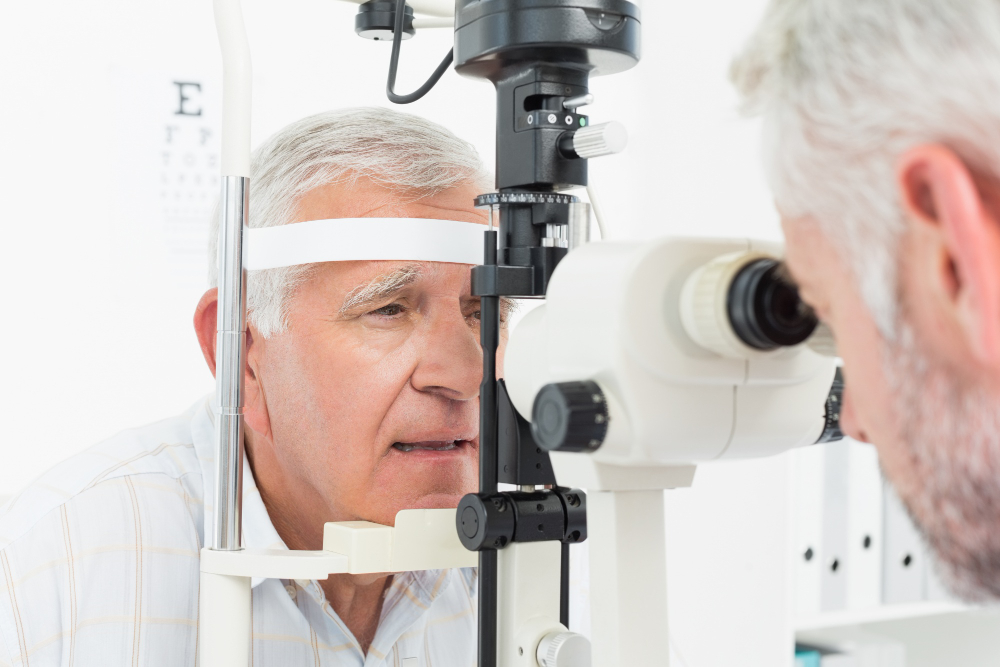
Doctors use several tests during glaucoma screening. These tests are quick and painless. For example, your eye doctor may:
Because glaucoma can develop without symptoms, these tests help find early signs before you notice any changes in vision.
Treatment Options If Glaucoma Is Detected Early
Early detection of glaucoma can help save your vision. If your doctor finds glaucoma, treatment may include:
With regular follow-up and treatment, many people can prevent vision loss from glaucoma. However, it is important to follow your doctor’s advice and attend all eye checks.
Lifestyle Tips and Prevention Strategies
While you cannot always prevent glaucoma, you can lower your risk. For example, you can:
Because healthy habits support eye health, these steps can help you keep your vision strong.
The Importance of Regular Eye Checks for All Ages
Regular eye checks are important for everyone, not just older adults. Children, teens, and adults can all develop eye problems. However, many eye diseases, including glaucoma, show no early signs. Therefore, scheduling regular eye exams helps catch problems early. Even if you have no symptoms, an eye care professional can check for glaucoma and other issues. Early detection of glaucoma is the best way to prevent vision loss.
Protect Your Vision: Schedule a Glaucoma Screening Today
In summary, glaucoma screening is a simple step that can protect your sight. Early detection and treatment can prevent vision loss from glaucoma. Do not wait for symptoms to appear. Schedule a comprehensive eye exam with an eye care professional at Srijan Eye & Mother Care to protect your vision.