What is Allergic Conjunctivitis?
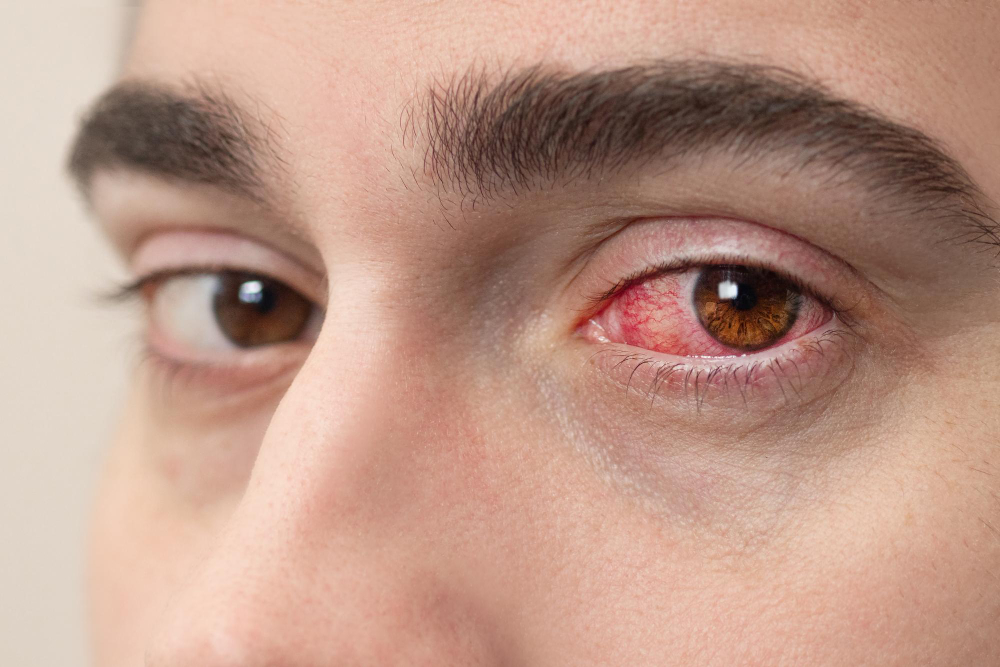
Allergic conjunctivitis is an eye condition caused by an allergic reaction. It happens when your eyes react to substances like pollen, dust, or pet dander. As a result, your eyes may become red, itchy, and watery. Many people call this an “eye allergy.” Although it is not dangerous, it can be very uncomfortable. Early treatment can help reduce symptoms and prevent complications.
Common Causes of Allergic Conjunctivitis
Many things can trigger allergic conjunctivitis. However, the most common causes include:
Sometimes, smoke or strong odors can also make symptoms worse. Because triggers are everywhere, it is important to know what causes your eye allergy.
Key Symptoms to Watch For
Allergic conjunctivitis symptoms can appear quickly after contact with an allergen. For example, you may notice:
Usually, both eyes are affected. However, symptoms can be worse in one eye. If you have pain, vision loss, or thick yellow discharge, see a doctor right away. These signs may mean a different problem.
How Allergic Conjunctivitis is Diagnosed
Doctors can often diagnose allergic conjunctivitis by asking about your symptoms and medical history. In addition, they may:
Sometimes, your doctor may suggest allergy testing. This can help find out what is causing your eye allergy. However, most cases do not need special tests.
Effective Treatment Options
There are many ways to treat allergic conjunctivitis. Early treatment can help you feel better quickly. Common eye allergy treatments include:
For severe cases, your doctor may prescribe stronger eye drops. However, do not use any medicine without talking to your doctor. Some drops can make symptoms worse if used incorrectly.
Prevention Tips and Lifestyle Guidance
Although you cannot always avoid allergens, you can lower your risk. Here are some tips on how to prevent allergic conjunctivitis:
Additionally, try to stay indoors when pollen counts are high. If you wear contact lenses, clean them as directed or switch to glasses during allergy season.
When to See an Eye Specialist
Most cases of allergic conjunctivitis are mild. However, you should see an eye specialist if:
Early care can prevent problems and help you find the best treatment. If you experience symptoms of allergic conjunctivitis, consult an eye specialist at Srijan Eye & Mother Care for personalized advice.