Introduction to Vision Therapy
Many people wonder about the benefits of vision therapy, especially in women’s health. Vision therapy is a set of eye exercises and activities. It helps improve how the eyes and brain work together. Often, it is used to treat problems that glasses or contact lenses cannot fix. In gynecology, vision therapy can support women’s well-being during pregnancy and beyond. For many, this therapy offers a safe and effective way to boost eye health.
How Vision Therapy Works
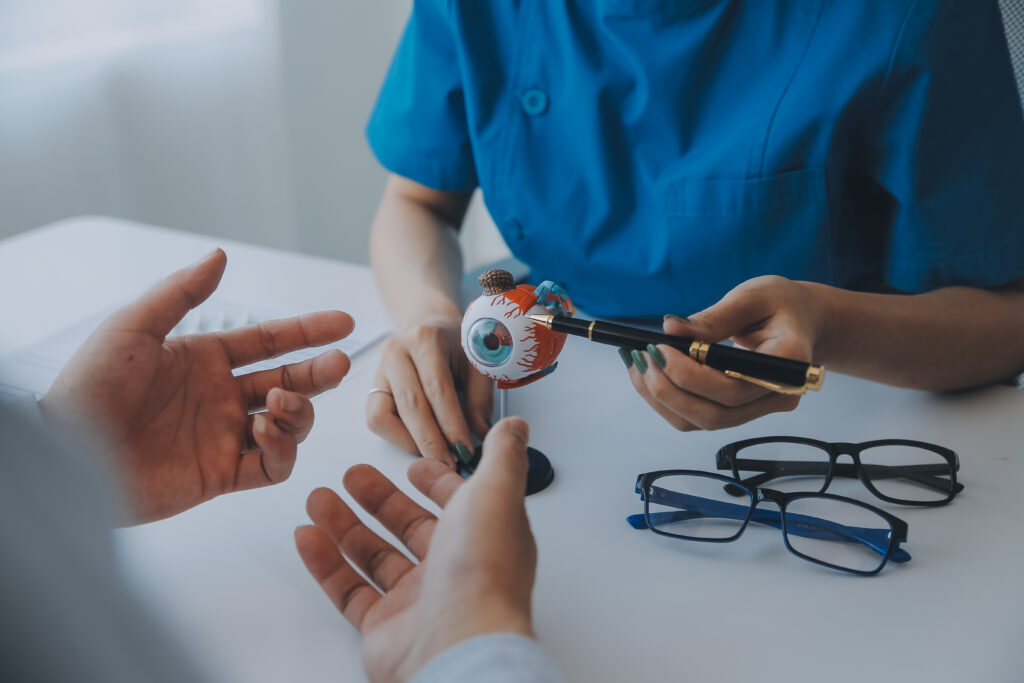
Vision therapy uses special exercises to train the eyes and brain. First, a trained specialist checks your vision and eye movement. Then, you follow a plan made just for you. For example, you may use lenses, prisms, or computer programs. Over time, these activities help your eyes focus better and work as a team. As a result, many women notice clearer vision and less eye strain.
Key Benefits of Vision Therapy for Women’s Health
Vision therapy offers many benefits for women, especially during pregnancy and after childbirth. For instance, hormonal changes can affect vision. Vision therapy helps manage these changes. Additionally, it can:
Moreover, women who spend long hours on screens may find relief through vision therapy. It can also help those with double vision or trouble tracking moving objects.
Common Conditions Addressed by Vision Therapy in Gynecological Practice
In gynecology, vision therapy can help with several conditions. For example, some women experience vision changes during pregnancy. These may include blurred vision, dry eyes, or trouble focusing. Vision therapy can address:
Because these issues can affect daily life, vision therapy offers a gentle way to find relief.
Evidence-Based Outcomes and Patient Success Stories
Research shows that vision therapy can be very effective. According to studies in peer-reviewed journals, many women report fewer headaches and better focus after therapy. For example, one study found that over 70% of patients had improved eye comfort. In addition, patient stories often highlight better reading skills and less eye fatigue. While results can vary, most women notice positive changes within weeks.
Safety, Risks, and Considerations
Vision therapy is safe for most women. However, it is important to work with a trained specialist. Some women may feel mild eye strain at first. Yet, this usually fades as the eyes get stronger. If you have any health concerns, always talk to your doctor before starting therapy. This is especially true during pregnancy or if you have other medical conditions.
Tips for Accessing Vision Therapy Services
Finding vision therapy near you is easier than ever. First, ask your gynecologist or eye doctor for a referral. Many clinics now offer these services. When choosing a provider, look for someone with experience in women’s health. You can also check online reviews or ask friends for recommendations. Remember, a good specialist will create a plan that fits your needs.
Prevention and Lifestyle Guidance
Besides therapy, you can take steps to protect your vision. For instance, take breaks from screens every 20 minutes. Eat a balanced diet rich in leafy greens and fish. Also, wear sunglasses outdoors to shield your eyes from the sun. If you notice any changes in your vision, seek help early. Early care can prevent bigger problems later.
Conclusion
In summary, the benefits of vision therapy are clear for many women, especially in gynecology. It can ease discomfort, improve focus, and support overall well-being. If you think vision therapy may help you, consult a qualified specialist at Srijan Eye & Mother Care to learn if vision therapy is right for you.