What is Dry Eye Syndrome?
Dry Eye Syndrome is a common eye condition. It happens when your eyes do not make enough tears or the tears dry up too fast. As a result, your eyes may feel dry, scratchy, or uncomfortable. Many people experience this problem, especially as they get older. According to the American Academy of Ophthalmology, millions of people worldwide have Dry Eye Syndrome. Early care can help prevent further discomfort.
Common Causes of Dry Eye Syndrome
There are several reasons why Dry Eye Syndrome develops. For example, the following causes are common:
Because many factors can lead to dry eyes, it is important to notice any changes in your vision or comfort.
Recognizable Symptoms
Dry Eye Syndrome has several clear symptoms. However, not everyone will have the same signs. Common symptoms include:
If you notice these symptoms often, you may have Dry Eye Syndrome. But sometimes, symptoms can be mild at first.
Risk Factors
Some people are more likely to develop Dry Eye Syndrome. For instance, these risk factors increase your chances:
Knowing your risk can help you take steps to protect your eyes.
Diagnosis Methods
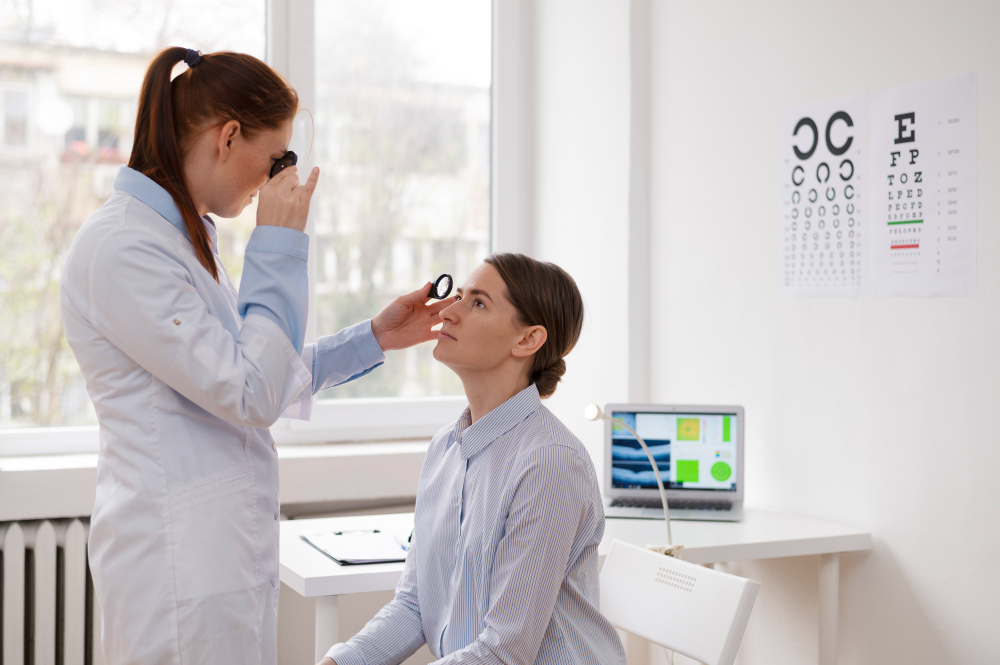
Doctors use several ways to check for Dry Eye Syndrome. First, they will ask about your symptoms and health history. Next, they may do a simple eye exam. Some common tests include:
Because early diagnosis helps prevent problems, see a doctor if you have ongoing symptoms.
When to See a Doctor
It is important to know when to seek medical help. For example, see an eye specialist if:
Sometimes, Dry Eye Syndrome can lead to infections or damage if not treated. Therefore, do not wait too long to get help.
Prevention Tips and Lifestyle Guidance
There are many ways to prevent or ease Dry Eye Syndrome. For instance, you can try these tips:
Because healthy habits can make a big difference, start with small changes. Over time, your eyes may feel more comfortable.
Conclusion
Dry Eye Syndrome is common, but you do not have to live with discomfort. Early care and simple steps can help protect your eyes. Consult an eye specialist at Srijan Eye & Mother Care for personalized advice on Dry Eye Syndrome.